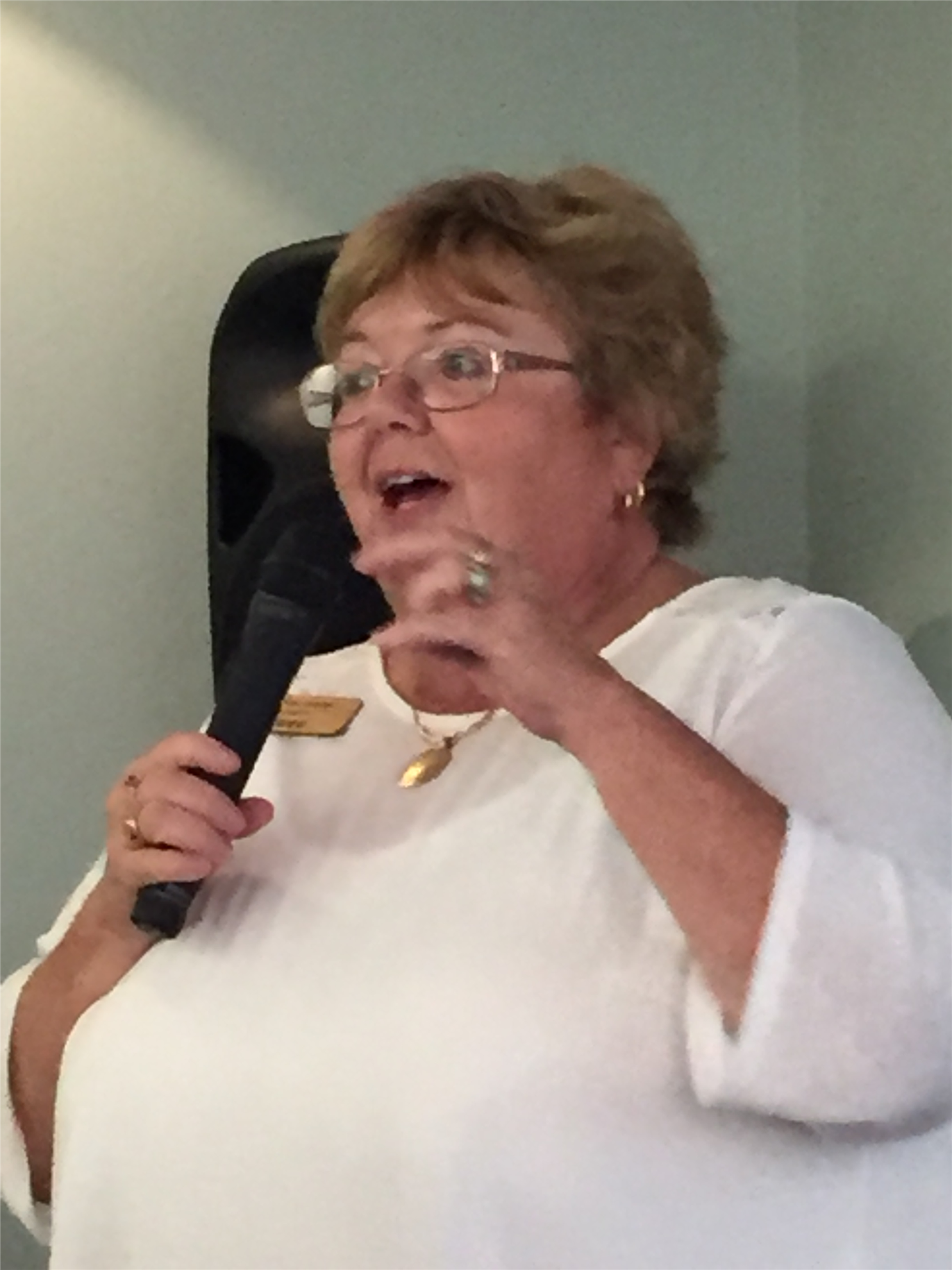
 Guest speaker: Rob introduced Maureen Henkel who is development officer for the Stars Ambulance Foundation which is located in Edmonton. Stars has 6 locations at which helicopters are based.
Shock Trauma Air Rescue Services {STARS} transports only critically ill or severely injured patients. It is a non profit dedicated to medical transport; created 31 years ago. In 1985, a Calgary doctor used his war time experience in transporting the medically needy to start STARS. They have performed 33,000 missions since 1985. They average 9 missions per day. This last weekend was a busy one for the Edmonton location.
Calls are routed through the STARS emergency link centre which has the capability to locate the patient from answers to specific questions. If head or back injury is involved the flight is automatically cleared. The pilot decides if it is ok to take off (weather or other concerns). They try to get off within 8-10 minutes. They must get to the patient within 1 hour to provide the best care and positive outcome. Sometimes they meet ground transport or meet an airplane transport at an airport to provide direct delivery to the hospital. While the helicopter is in bound the crew are providing data to the hospital staff to enable them to receive the patient and provide immediate treatment. There is no reimbursement from patients. Funding is 75% fund raiding and 25% Alberta Health Services.
40% of trips are for car accidents, 22% for strokes, 17% for recreation {boat, ATV, horse riding, skiing}, 4% industrial, 10% burns. The helicopter is outfitted as an ICU [intensive care unit] with blood supplies. A flight paramedic and flight nurse provide treatment under the radio direction/oversight of physicians. 2 pilots (captain, first officer) have night vision training, must have 3,000 hours experience before being hired, and along with the other positions, a minimum of 10 years experience.
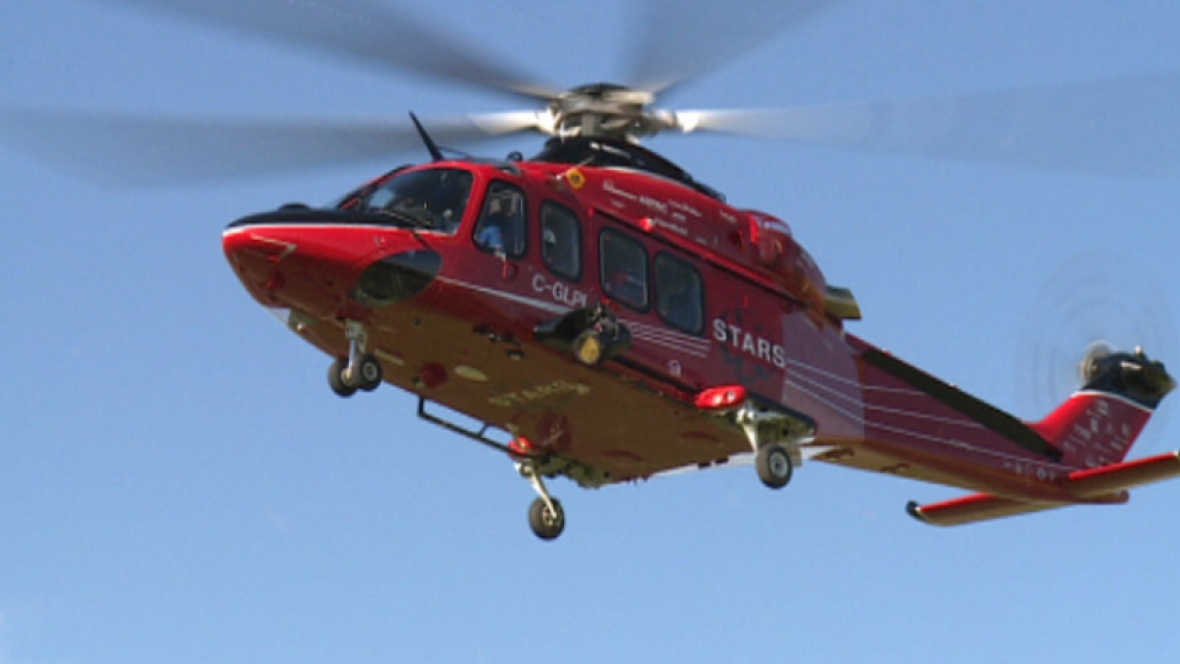
The helicopters are BK117, a smaller model which is based at all locations or AW139, larger, faster, located in Edmonton, Calgary, Saskatoon. The BK takes 1 patient loaded from the back, cruses at 220 km/hour, max 500 kilometres. The AW adds 30% to above figures, has deicing capability and carries 2 patients. BK is $5400 to operate for 1/2 hour. AW is $7000.
STARS has progr4ams to educate providers, through a mobile education program. A motorhome goes to train in rural communities. Staff under go monthly training sessions. Programs include STARS Academy, research and partnerships, operation outreach. Places that have ambulances have access. STARS also monitors remote sites, mostly industrial, about 4500 per day. If you hike or hunt you can register your site.
Fund raising: Radway District Dine & Dance raises about $60,000; trail rides; Westlock Motorcycle Ride for STARS; Kin Canada District 4 Service Groups.
Maureen was thanked by David Weir.
|








 Fine Master: David Gibbens raised money with table questions about snow. Happy bucks from Mike re monetary support for CleanScene and the fact that he has been declared free of Hepatitis C; from Joe re riding in tour de l'Alberta with Rob; Zen re 125th anniversary of Ukrainians moving to the Edmonton area; Steve about a lady in their residence bringing flowers for Steve's wife.